Quick Answer: A bathroom renovation updates surfaces and finishes without changing the structure, while a remodel changes the layout, plumbing, electrical, or other construction elements. Homeowners often use these terms interchangeably, which can lead to unrealistic budgets, unclear expectations, and projects that grow beyond the original plan.
This confusion usually starts early. A homeowner plans for a “simple renovation,” but as decisions are made, the project begins to include layout or system changes. At that point, the scope shifts, along with the cost and timeline.
Why This Distinction Matters More Than Most Homeowners Think
The difference between remodeling and renovation affects how a project is planned, priced, and built. It can also influence whether permits or inspections are part of the process.
- Renovations focus on finishes and surface updates
- Remodels involve layout, structural, or system-level changes
- Mislabeling the project can lead to inconsistent or inaccurate quotes
- Remodeling work is more likely to require permits and inspections
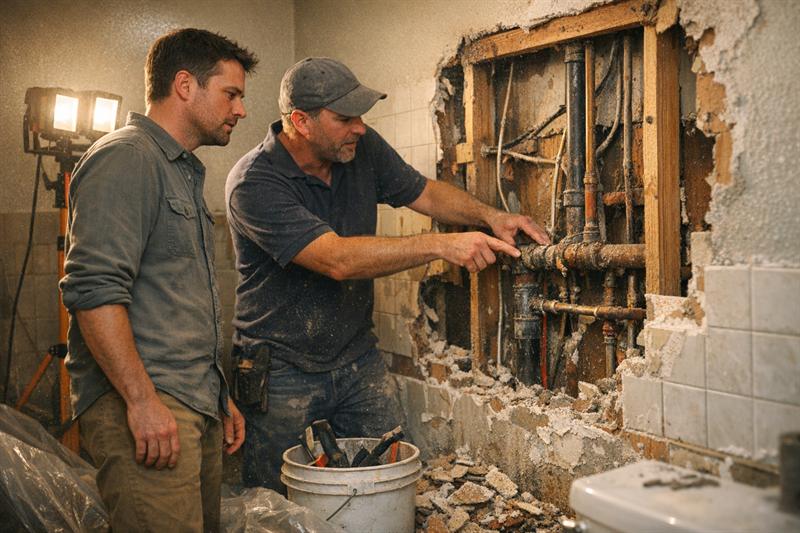
Many bathroom projects start with a renovation mindset, then shift once hidden issues or functional changes come into the picture. When that happens, scope expands, costs rise, and timelines become harder to predict.
What Is a Bathroom Renovation?
Definition of Bathroom Renovation
A bathroom renovation updates existing features without changing the layout, plumbing locations, or structure. It improves the look and feel of the space while keeping the core systems largely in place.
Common Bathroom Renovation Examples
- Replacing sinks, toilets, or faucets in the same general location
- Installing new tile or flooring
- Painting walls or refinishing cabinets
- Upgrading lighting fixtures
When Renovation Is the Right Choice
Renovation makes the most sense when the layout already works well. If the plumbing and electrical setup still supports your needs, the project is usually more straightforward and easier to manage.
If the goal is to refresh the space without major disruption, renovation is often the practical option. It focuses on appearance and finishes rather than changing how the bathroom functions.
What Is a Bathroom Remodel?
Definition of Bathroom Remodel
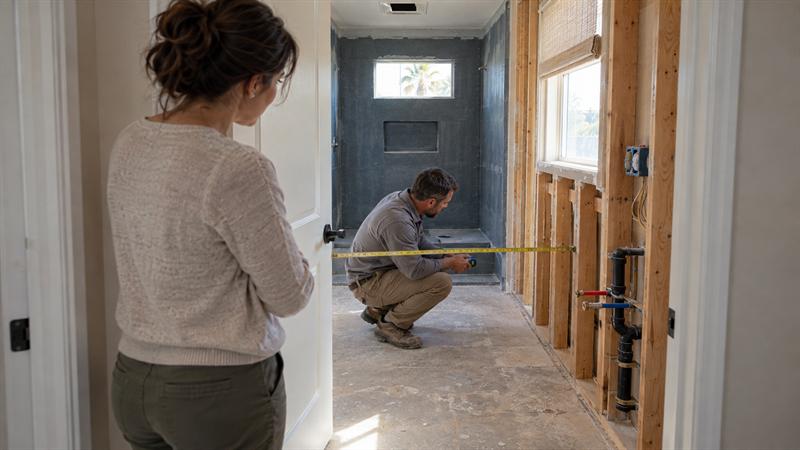
A bathroom remodel involves changing the layout, structure, or systems within the space. This can include moving walls, relocating plumbing, adjusting electrical work, or rethinking how the bathroom functions overall.
Common Bathroom Remodeling Projects
- Expanding or reconfiguring the layout
- Moving plumbing or electrical components
- Converting a tub into a walk-in shower
- Redesigning the entire space for better function
When Remodeling Makes More Sense
Remodeling is often the better option when the bathroom no longer works well. Poor layout, limited storage, or inefficient use of space are signs that surface updates alone may not solve the problem.
A bathroom can look outdated, but appearance is not always the main issue. In some cases, renovation improves the look while leaving the underlying functional problems in place.
Bathroom Remodel vs Renovation: Side-by-Side Comparison
Cost Differences
- Renovation: Typically lower cost because the scope is more limited and fewer trades are involved
- Remodel: Higher cost because layout, plumbing, electrical, or structural changes add labor and complexity
A common mistake is budgeting for a renovation when the project really calls for remodeling. Once layout or system changes are added, costs can climb quickly.
Timeline Differences
- Renovation: Usually a shorter timeline with fewer moving parts
- Remodel: Usually a longer timeline due to planning, trade coordination, and possible inspections
Delays often happen when multiple trades need to work in sequence or when inspections are part of the job. Those steps are part of the process and should be accounted for early.
Permits and Project Complexity
- Renovation: May require little to no permitting, depending on the scope and local requirements
- Remodel: More commonly requires permits and inspections
This is where project complexity often increases. If permits are not considered early, it can create delays, added costs, or changes during construction.
How to Decide Which Option Is Right for Your Home
Budget Considerations
If the budget is limited, renovation is usually the starting point. That approach works best when the existing layout already supports how you use the space.
If the layout does not function well, staying within a renovation-only scope can lead to repeated updates later. In the long run, that can cost more than addressing the real issue from the start.
Layout and Functionality Needs
If the bathroom feels cramped, inefficient, or awkward to use, the issue is probably not just cosmetic. Those are signs that remodeling may be the better fit.
If you are constantly working around the space instead of using it comfortably, the layout is likely part of the problem.
Property Value and Future Goals
For long-term use or better day-to-day function, remodeling is often the stronger investment. It addresses how the space works, not just how it looks.
If the goal is a straightforward visual update, renovation may be enough. The key is matching the scope to how the bathroom will actually be used.
Common Misunderstandings That Lead to Expensive Mistakes
Assuming Renovation Is Always Cheaper
Renovation usually starts with a lower scope, but costs can rise when hidden issues or mid-project design changes come up. That is often when a project begins to shift beyond its original plan.
Underestimating Remodeling Timelines
Remodeling involves planning, sequencing, and often inspections. Underestimating those steps can create scheduling problems and delays.
Not Defining Scope Clearly Before Hiring a Contractor
This is one of the most common reasons quotes, expectations, and timelines do not align. Without a clear scope, it is difficult to compare pricing or plan the work accurately.
If you recognize any of the following, your project may need clearer direction:
- You are unsure whether plumbing or layout will change
- Quotes from contractors vary widely
- The project keeps expanding during planning
- You want layout improvements but are trying to stay within a renovation budget
If these signs are present, the project may already be moving toward remodel territory. Clear planning at this stage can help keep the work organized and the scope under control.
How Professional Remodeling Services Fit Into Each Option
As project complexity increases, so does the need for coordination and planning. Renovations can be relatively straightforward, but remodels often require multiple trades working in the right sequence.
That is where scope definition, scheduling, and communication matter most. When those pieces are handled well, the project is easier to manage from start to finish.
Angel Touch Remodeling & Building Concepts approaches each project by identifying the right scope first. Whether the space needs a renovation or a full remodel, that early clarity helps prevent misalignment and keeps the process more manageable from the beginning.
Local Considerations for Bathroom Projects in Las Vegas
Bathroom projects in Las Vegas may involve practical considerations such as water efficiency, material durability, and local permit requirements. These factors can influence both renovation and remodeling decisions.
Overlooking those details during planning can lead to delays or adjustments once work begins. Factoring them in early helps the project move forward with fewer surprises.
Conclusion
The key is not just knowing the difference between remodeling and renovation. It is making sure the scope matches what the space actually needs.
When that alignment is missing, projects can expand, budgets can increase, and timelines can stretch. What starts as a simple update can turn into a more complex build without a clear plan.
Angel Touch Remodeling & Building Concepts focuses on defining scope before work begins. By identifying whether your bathroom needs renovation or remodeling, the project can stay more structured, predictable, and easier to manage.
If you are planning a bathroom upgrade, the next step is to evaluate the space and clarify the scope before moving forward.
Key Takeaways
- Renovation focuses on cosmetic updates without changing the layout
- Remodeling involves layout, structural, or system changes
- Remodeling typically requires more time and investment
- Misunderstanding scope can lead to budget and timeline issues
- Clear planning helps prevent costly mistakes
FAQ
What is the main difference between a bathroom remodel and renovation?
A renovation updates surfaces and finishes, while a remodel changes the layout, structure, or core systems. Renovations usually keep the existing setup in place, while remodels involve more construction work and may require permits.
Is a bathroom renovation cheaper than a remodel?
Renovations are generally less expensive because they involve fewer changes. Costs usually increase when plumbing, electrical, layout, or structural work is added.
Do you need permits for a bathroom remodel?
Many bathroom remodels require permits because they involve plumbing, electrical, or structural changes. Permit requirements depend on the scope of work and local building rules.
Can a renovation turn into a remodel?
Yes. A project can shift when hidden issues are uncovered or when design decisions start affecting layout or systems. Clear planning upfront helps reduce that risk.
Which adds more value: remodeling or renovating a bathroom?
It depends on the condition of the space and your goals. Remodeling can add more functional value when the layout needs improvement, while renovation can be a smart choice when the bathroom works well and mainly needs an update.
How do I know if I need a remodel or renovation?
If the layout works and the bathroom mainly looks dated, renovation is often enough. If the space feels inefficient, cramped, or difficult to use, remodeling may be the better option.