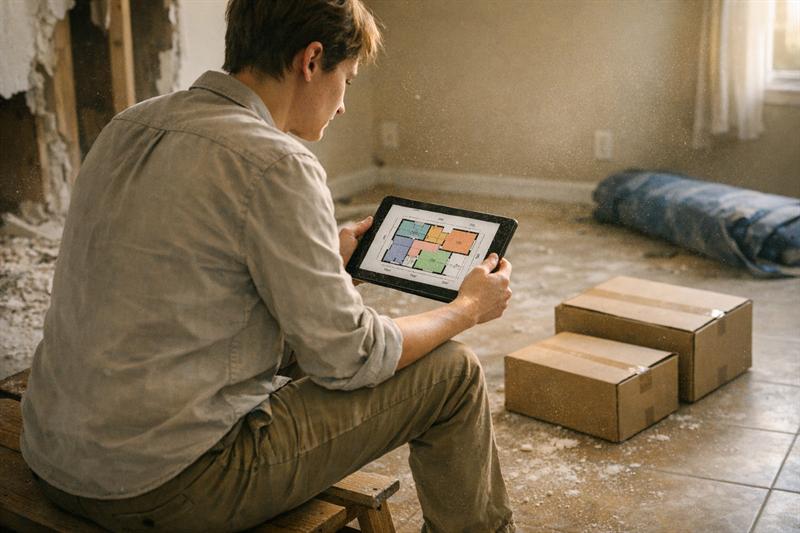
Quick Answer: The most important home remodeling tools are not physical tools like drills or saws. They are the planning tools that help define scope, budget, layout, and sequencing early. Many remodeling problems start when people buy tools before the project itself is clearly defined.
Many homeowners begin a remodel thinking they need a long list of equipment, then realize the harder part is deciding what actually needs to be done. That is where projects start to drift. At Angel Touch Remodeling & Building Concepts, one of the most common early issues is seeing tools purchased before the layout, budget, or construction details are fully thought through.
If you’re trying to figure out what tools really matter, the priority should not be collecting equipment. It should be making clear decisions from the start.
Why the Right Tools Matter in Home Remodeling
The tools you choose affect more than construction. They also shape how the project is planned, priced, and carried out.
A common mistake is focusing on execution tools before planning tools. That often leads to rework, wasted materials, and unnecessary budget pressure. Once materials are cut or installed incorrectly, fixing the issue usually takes more time, labor, and money.
If you want a clearer picture of how projects unfold from start to finish, this step-by-step remodeling planning guide breaks down the process.
Planning Tools vs Execution Tools
Planning tools define the project. Execution tools help carry it out.
Planning tools include design software, budgeting tools, and layout planning resources. They help determine spacing, likely costs, and overall feasibility. Execution tools like saws and drills come later, once the direction is clear.
Skipping detailed planning is one of the most reliable ways to create problems during a remodel. It can lead to layout conflicts, misaligned fixtures, and materials that do not fit as expected. At that point, changes are usually more expensive and harder to manage.
DIY vs Professional Tool Use
Tools can support DIY work, but they do not replace experience. That is where many projects begin to break down.
Homeowners sometimes take on electrical, plumbing, or structural work with the right tools but without a full understanding of the work involved. The tools are not the problem. The margin for error is. Mistakes in these areas can create inspection issues, delays, and costly rework.
If you’re unsure whether a project is a good fit for DIY, this guide on who should consider remodeling and who should think twice can help clarify that decision.
Must-Have Physical Tools for Remodeling Projects
Physical tools matter, but only after the scope is clear. The goal is to use the right tools at the right stage, not to collect as many as possible.
Basic Hand Tools Every Homeowner Should Know
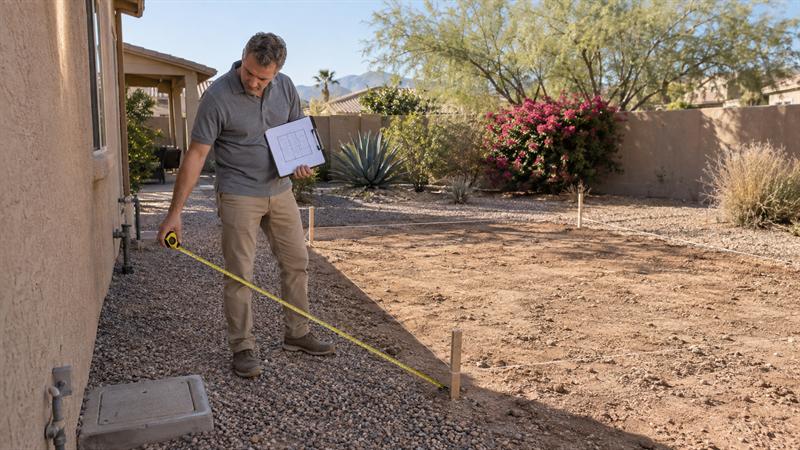
- Tape measure
- Level
- Hammer
- Utility knife
- Screwdrivers
Accuracy matters more than quantity. A small set of reliable tools used correctly is more useful than a large set used inconsistently.
Power Tools for Larger Renovations
Power tools support demolition, framing, and installation. Common examples include drills, circular saws, and oscillating tools.
This is also where overspending tends to start. Many homeowners buy tools for a single phase of the project and rarely use them again. Renting is often the more practical option unless the tool will be used repeatedly.
Safety Equipment You Should Not Overlook
- Eye protection
- Gloves
- Respirators
- Hearing protection
Safety is part of the project, not an extra step. During demolition and cutting, working without proper protection increases the chance of injury, which can delay progress and add cost.
Digital Tools to Plan and Visualize Your Remodel
Digital tools are where many well-run projects begin. They help surface problems before anything is built.
One of the clearest differences between a smoother project and a stressful one is how early layout and budget decisions are made. When those choices are addressed up front, fewer changes are needed later.
Home Design and Layout Tools
Design tools allow you to map out kitchens, bathrooms, and living spaces in 2D or 3D.
They are helpful, but they also come with a common limitation. A design can look right on screen while missing real-world constraints. Structural conditions, plumbing locations, and code-related requirements are not always reflected accurately in a digital plan.
That is where mid-project changes can begin. Adjustments during construction usually increase cost and extend the timeline.
Budgeting and Cost Estimation Tools
Cost calculators are useful for a starting range, but they do not capture every part of the scope.
Projects are often underestimated when labor, permits, material changes, or site conditions are not fully considered. Once construction begins, those gaps become more expensive to correct.
Many of these planning issues are covered in more detail in common remodeling mistakes and how to avoid them.
Project Management and Timeline Tools
Scheduling tools help organize tasks, materials, and timing.
The biggest issue here is sequencing. When work happens out of order, delays and rework usually follow. For example, installing finishes before the underlying work is complete can lead to unnecessary removal and replacement.
Planning tools can reduce this, but only when the information going into them is realistic and up to date.
Kitchen and Bathroom Remodeling Tools and Resources
Kitchens and bathrooms usually require tighter planning and more precision than many other parts of the home. Even small mistakes in these spaces can create bigger functional problems.
Kitchen-Specific Planning Tools
Kitchen planning tools focus on cabinet layout, appliance spacing, and workflow.
One common problem is poor spacing between appliances and work zones. The kitchen may look finished but still feel awkward to use. Fixing that after installation usually requires significant changes.
Bathroom Remodeling Resources
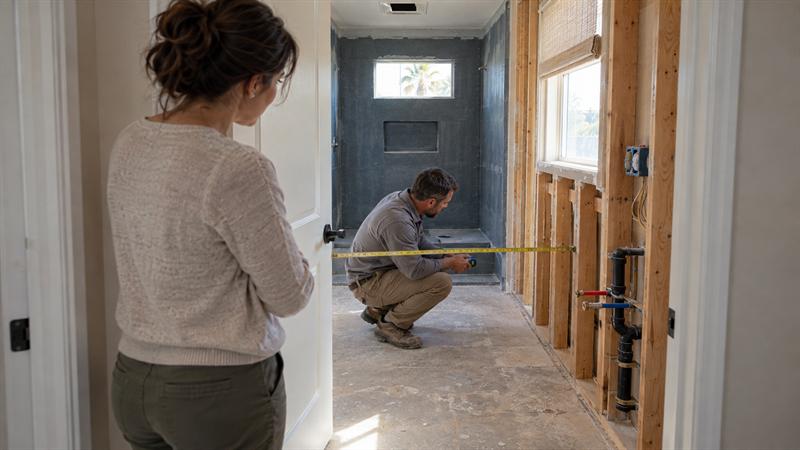
Bathrooms involve moisture control, ventilation, and tight layouts.
Problems in these spaces do not always show up right away. Poor ventilation or weak waterproofing can allow damage to build over time, and by the time it becomes visible, repairs are often more extensive and disruptive.
When Tools Are Not Enough: Knowing When to Bring in Professionals
If your project involves structural changes, plumbing, or electrical work, tools alone are not enough.
That is where mistakes become more costly. Incorrect work can lead to failed inspections, safety concerns, and added repair expenses.
If you’re noticing any of the following, the project may be moving beyond a practical DIY scope:
- Layout changes that affect walls or structure
- Electrical or plumbing relocation
- Permit or code requirements are unclear
- Costs are increasing without a clear explanation
At that stage, bringing in an experienced remodeling team is often the more practical next step.
How to Choose the Right Tools for Your Project Scope
The right tools depend on how often they will be used and how complex the project is.
Start by defining the full scope. That helps determine whether tools should be purchased, rented, or avoided entirely.
One of the easiest ways to waste money in a remodel is committing to tools before understanding the full job. That can lead to unnecessary purchases and incomplete work that later needs to be corrected.
Key Takeaways
- Planning tools often have a greater impact than execution tools
- Many remodeling issues begin before construction starts
- Buying tools too early can lead to unnecessary cost
- Digital tools help, but they do not replace real-world constraints
- Professional support becomes more important as project complexity increases
Conclusion
Most remodeling problems are not caused by a lack of tools. They usually start with unclear planning, incomplete information, and decisions made too early.
When that is not addressed, budgets can expand, timelines can slip, and rework becomes more likely.
At Angel Touch Remodeling & Building Concepts, the focus is on defining the project clearly before tools are purchased or construction begins. That helps reduce avoidable mistakes, keep the work better aligned with the timeline, and support the original goals of the remodel.
If your project feels unclear or is becoming more complex than expected, the next step is to explore your remodeling options and move forward with a clearer plan.
How Angel Touch Remodeling & Building Concepts Approaches Remodeling Projects
The process starts with clarity. Layout, scope, and budget expectations are discussed before tools or materials become the focus.
This approach helps address many of the issues that commonly disrupt remodeling projects. Instead of reacting to problems mid-project, the goal is to reduce them through stronger planning at the start.
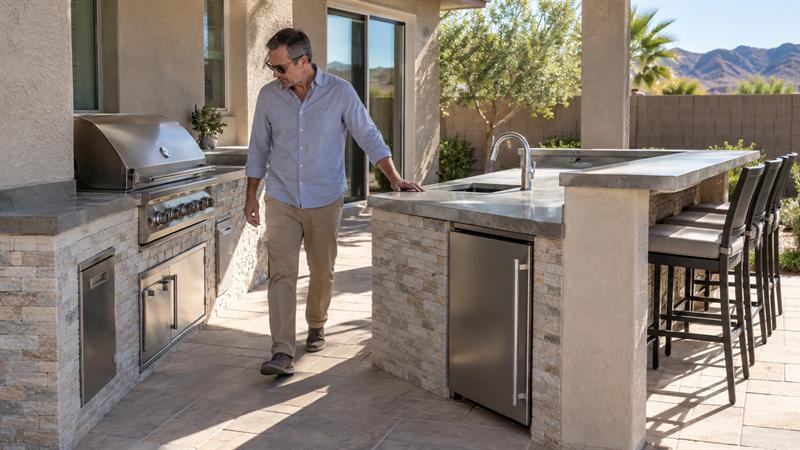
This is especially important for kitchens, bathrooms, casitas, and outdoor living spaces, where precision and coordination have a direct impact on the final result.
Frequently Asked Questions About Home Remodeling Tools
What tools are needed for home remodeling?
Most projects start with basic hand tools, selected power tools, and safety equipment. In many cases, accurate measuring and layout tools matter first. As the scope expands, additional tools or professional support may be needed.
Are remodeling tools worth buying or renting?
Buying makes sense when a tool will be used repeatedly. Renting is often more practical for short-term or one-time use. Many homeowners spend more than necessary on tools they only use once.
What are the best apps for planning a home remodel?
Design, budgeting, and scheduling apps are commonly used to plan layouts and track costs. They can help visualize the project, but they do not account for every construction constraint. Using them alongside experienced project input usually leads to a better plan.
How do you estimate the cost of a remodeling project?
Start with budgeting tools, then refine the estimate by factoring in materials, labor, permits, and project conditions. Online tools can provide a baseline, but they often miss important cost drivers. A detailed project review usually gives a more useful range.
Can you remodel a home without professional tools?
Smaller projects can sometimes be completed with basic tools. Larger remodels usually require specialized equipment and the knowledge to use it correctly. Structural, plumbing, and electrical work often call for professional involvement.
When should you hire a professional instead of using tools yourself?
Professional help makes sense when the project involves structural changes, system relocations, or permit-related work. These parts of a remodel require accuracy, coordination, and a clear understanding of the project requirements. Addressing them early can help avoid expensive corrections later.