Quick Answer: Most home remodeling mistakes start with unclear planning, unrealistic budgets, and hiring decisions based mainly on price instead of qualifications. Those missteps often lead to higher costs, longer timelines, and results that don’t work as well as expected.
Most homeowners don’t set out to make avoidable mistakes. Problems usually begin when key decisions are rushed, details are left unresolved, or expectations don’t match how remodeling projects actually unfold. Once a project starts moving off course, correcting it usually takes more time and money.
Angel Touch Remodeling & Building Concepts works with Las Vegas homeowners at both stages, either planning ahead or dealing with issues already affecting a project. The same problems tend to repeat, and many of them can be avoided with better structure upfront.
Why Remodeling Mistakes Happen More Often Than Expected
Remodeling is a sequence of decisions, not a single event. Each step depends on the one before it. When early decisions are incomplete or unclear, the rest of the project becomes harder to manage.
- Budgets are set before the full scope is defined
- Plans move forward without finalized details
- Contractors are selected without proper evaluation
This is where many problems begin. Gaps in planning rarely stay small. They usually carry forward into scheduling issues, cost increases, and constant adjustments during construction.
Budget Mistakes That Lead to Cost Overruns
Underestimating Total Project Costs
A common issue is focusing only on visible upgrades like finishes and fixtures while overlooking the work behind them. Labor, demolition, permits, and preparation are often undercounted or left out early on.
This creates a budget that looks manageable at first but expands once the real work begins. At that point, homeowners often have to increase spending or scale back parts of the project.
Not Planning for Unexpected Expenses
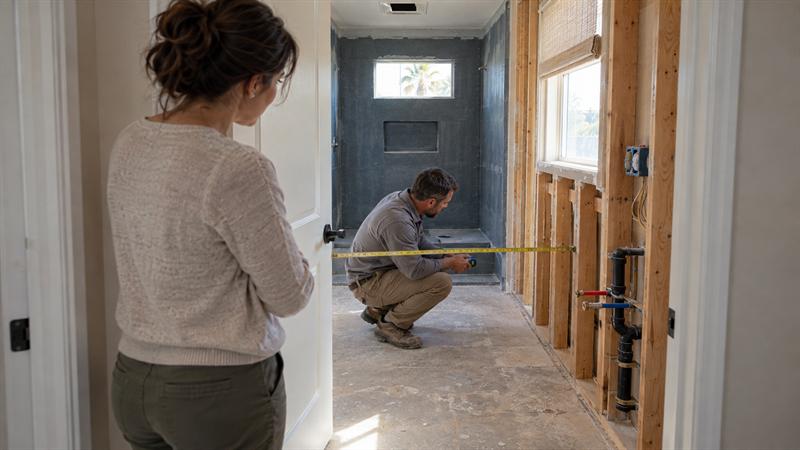
Additional issues often appear once walls are opened or existing systems are accessed.
- Outdated wiring or plumbing
- Framing or structural issues
- Material price or availability changes
Without a financial buffer, these issues can slow progress or force compromises. This is often where a project starts to feel unpredictable and stressful.
Planning Mistakes That Delay Projects
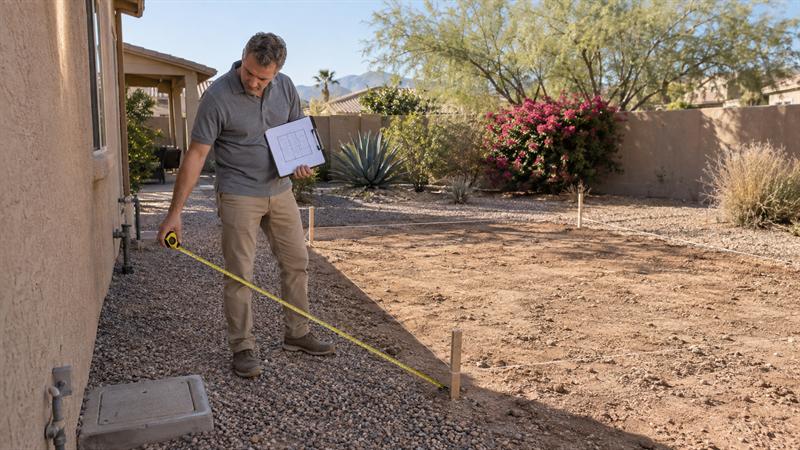
Starting Without a Clear Scope
When the full scope isn’t defined upfront, decisions get pushed into the construction phase. That creates confusion for both the homeowner and the contractor.
This often leads to rework, delays, and inconsistent results. Work that should have been planned in advance ends up being decided under pressure.
Changing Plans Mid-Project
Changes during construction affect more than one detail. They can impact materials, scheduling, and coordination across different trades.
This is where timelines begin to stretch. Even small changes can create ripple effects that extend the overall project.
Hiring Mistakes That Create Long-Term Problems
Choosing Based on Price Alone
Choosing the lowest bid can mean important elements are missing from the proposal. That might include labor time, material quality, or project coordination.
This often shows up later as delays, inconsistent workmanship, or added costs. What looks like savings early on can turn into a larger expense.
Not Verifying Licensing or Experience
Skipping proper vetting is another common problem. Licensing, insurance, and relevant project experience provide a clearer picture of how a contractor works.
When this step is overlooked, homeowners take on more risk. Problems that could have been avoided often become harder and more expensive to fix.
Design Mistakes That Affect Daily Living
Prioritizing Trends Over Function
Design trends can be appealing, but they don’t always translate well into everyday use. What looks good in photos doesn’t always work in a real home.
This can lead to spaces that feel inconvenient or impractical over time, especially when daily routines weren’t considered during planning.
Poor Space Planning
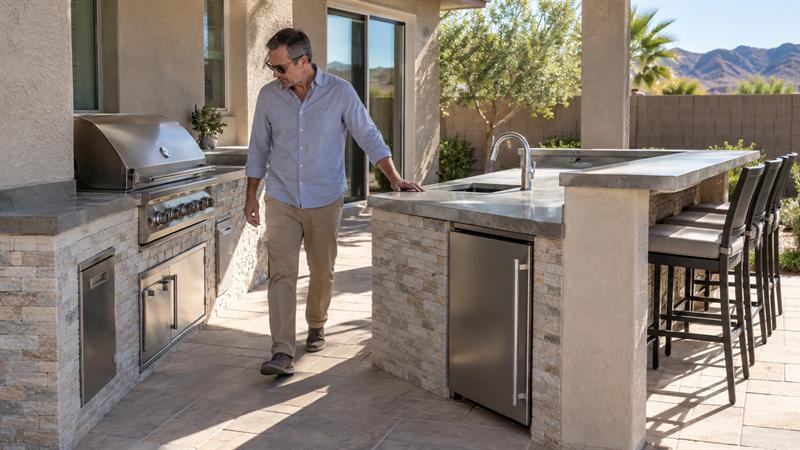
Layout decisions directly affect how a space functions. Tight walkways, limited storage, and poor flow can make everyday use more difficult.
These issues are often noticed after completion, when adjustments are more disruptive and expensive.
Material and Construction Mistakes
Choosing the Wrong Materials for Your Environment
In Las Vegas, heat and dry conditions can affect how materials perform over time. Some finishes and products wear faster or need more maintenance in this climate.
Choosing materials without considering those conditions can lead to earlier replacement or more upkeep than expected.
Cutting Corners on Structural Work
Structural work supports everything else in the project. It may not be visible at the end, but it affects the long-term performance of the space.
When this part of the project is rushed or reduced, it can lead to avoidable repair work and more complicated corrections later.
DIY vs Professional Work: Where Mistakes Happen Most
Some tasks are manageable for homeowners, especially cosmetic updates. The risk usually increases when more technical work is handled without the right experience.
- DIY is often a fit for painting, minor updates, and simple replacements
- Professional work is usually better suited for structural, electrical, plumbing, and full remodels
This is where costs can shift quickly. Fixing incorrect work often requires additional labor and materials that could have been avoided the first time.
If You’re Seeing These Signs, the Project Is Already Off Track
These are common signs that a project is losing control:
- The budget keeps increasing without a clear explanation
- The timeline continues to move without a defined completion point
- Decisions are being made during construction instead of before it starts
- The quality of work varies from one phase to another
When these signs show up, moving forward without changes usually makes the situation harder to correct. This is often the point where experienced project guidance can help bring the work back under control.
How to Avoid These Home Remodeling Mistakes
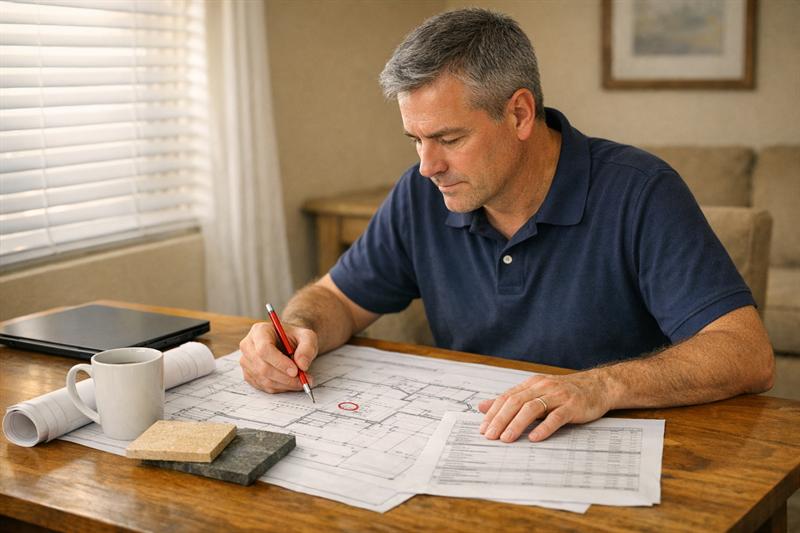
The most reliable way to avoid problems is to organize the project before work begins. Once construction starts, flexibility decreases and changes usually cost more.
- Define the full scope before starting
- Build a budget that includes a contingency
- Select contractors based on experience and clarity, not just price
- Design for daily use first, then appearance
This approach keeps decisions structured and reduces the need for corrections later.
Conclusion
Home remodeling mistakes usually follow a pattern. They often begin with unclear planning, incomplete budgets, or rushed hiring decisions.
If those issues aren’t addressed early, the project becomes harder to manage, more expensive, and less predictable. Fixing those problems later usually takes more time and effort than preventing them in the first place.
Angel Touch Remodeling & Building Concepts approaches remodeling with a focus on clear planning, realistic scope, and execution that reflects how projects actually unfold in Las Vegas homes. For homeowners preparing to remodel, taking action early and working with an experienced team is one of the most practical ways to keep the project on track and avoid costly setbacks.
Key Takeaways
- Most remodeling problems start before construction begins
- Budgets need to account for both visible and hidden costs
- Hiring decisions directly affect quality and timeline
- Design should support how the space is used every day
- Early planning reduces the need for expensive corrections
FAQ
What are the most common home remodeling mistakes?
The most common mistakes include underestimating costs, starting without a clear plan, hiring without proper vetting, and focusing too much on appearance over function. These issues often contribute to delays, added costs, and disappointing results. Addressing them early helps keep the project more manageable.
How can I avoid going over budget on a remodel?
Start with a detailed scope and include a contingency in your budget. Many projects uncover additional work once construction begins, so planning for that upfront can help prevent sudden financial pressure.
Is it cheaper to remodel yourself or hire a contractor?
DIY can reduce costs for small tasks, but complex work often becomes more expensive if it needs to be redone. Structural, electrical, and plumbing work are usually better handled by qualified professionals to help avoid costly corrections.
How do I choose the right remodeling contractor?
Look for proper licensing, relevant experience, and clear project details in the estimate. Contractors who communicate clearly and provide a detailed scope are often easier to work with and more predictable throughout the project.
What should I plan before starting a home renovation?
Define your scope, budget, timeline, and materials before starting. Projects that begin with clear direction are usually easier to manage and less likely to require major changes later.
Do remodeling mistakes affect home value?
Yes, poor layout decisions and low-quality work can reduce usability and overall appeal. Functional issues and inconsistent workmanship can affect how the space feels now and how it is perceived later.