Quick Answer: Most home remodeling problems start with planning gaps and poor decision order, not just effort or budget. Beginners often focus on visible upgrades first, while experienced remodelers prioritize structure, sequencing, and cost control from the start.
At Angel Touch Remodeling & Building Concepts, this pattern comes up regularly. Projects that seem straightforward at the beginning can become more complicated when key decisions are made too late or in the wrong order. In many cases, the difference between a smooth remodel and a stressful one comes down to how the project is planned from day one.
Why Most Remodeling Projects Go Off Track
Many remodeling projects lose momentum because expectations are set before the full scope is understood. A finished kitchen or bathroom can make the process look simple, but the work behind it is often more involved than expected.
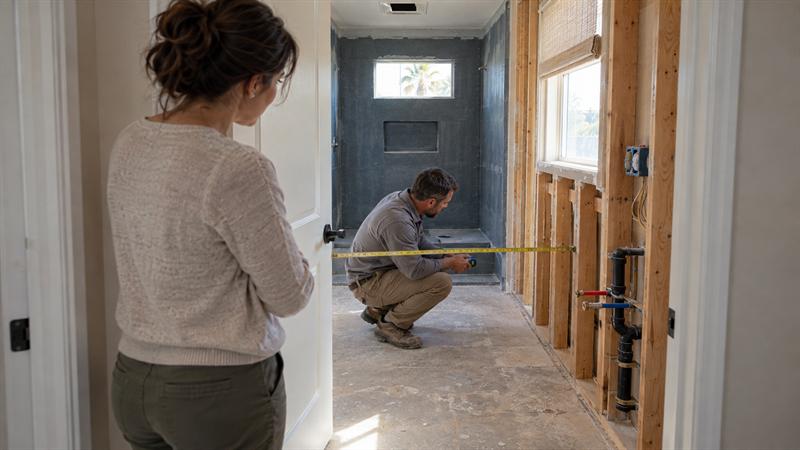
One common issue is starting with design ideas before the project plan is fully defined. That can push decisions out of sequence, leading to delays, change orders, and rework. What starts as a clear vision can turn into ongoing adjustments that affect both cost and timeline.
The challenge grows when major changes happen mid-project. Each change can affect materials, labor, and scheduling. Without a clear way to manage those changes, costs rise and timelines stretch.
For a clearer breakdown of how planning should work, see how to plan a home remodeling project step-by-step.
Beginner Remodeling Mistakes That Cost Time and Money
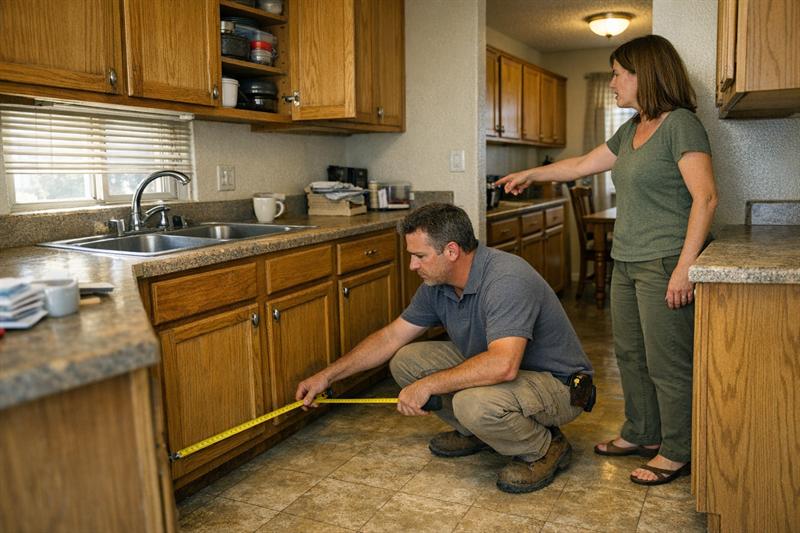
- Underestimating the Budget: Early budgets often leave out structural updates, permit costs, or hidden repairs. That creates pressure early in the project and can force difficult decisions later.
- Starting Without a Clear Plan: When the scope is not clearly defined, decisions get pushed into the construction phase. That slows progress, creates confusion, and increases the chance of rework.
- Choosing Materials Too Early: Picking finishes before the layout and core work are finalized can lead to mismatches. Materials may need to be changed or adjusted, adding cost and time.
- Ignoring Permits and Regulations: Overlooking permit requirements can delay inspections or stop progress until the work is brought back into compliance with local requirements.
- DIYing the Wrong Parts of the Project: Cosmetic updates may be manageable for some homeowners, but structural, electrical, and plumbing work usually require trained professionals. Mistakes in these areas often cost more to correct later.
Many homeowners try to lower upfront costs, but avoidable mistakes during the project can raise the total investment. For more examples, review common home remodeling mistakes and how to avoid them.
How Experts Approach Home Remodeling Differently
Planning Backward from the Final Outcome
Experienced remodelers start with the end result and work backward. Each decision supports a defined outcome, which helps keep the project aligned from design through construction.
Budgeting for the Unknown
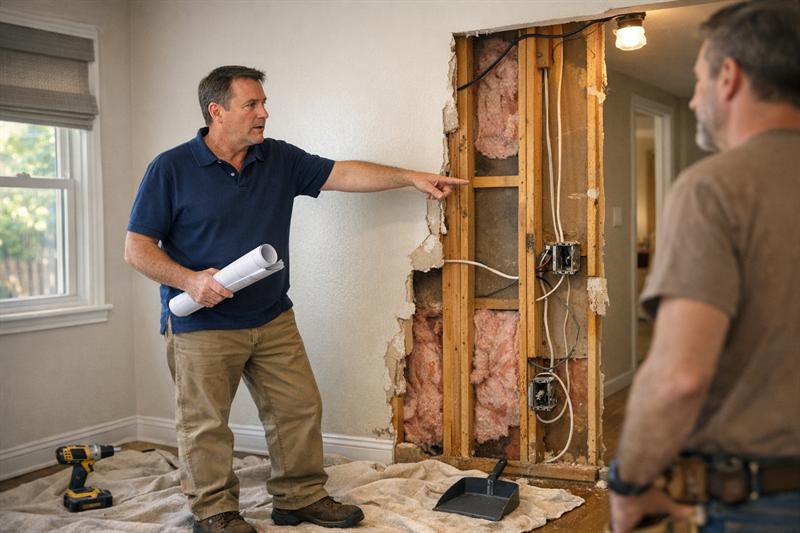
A well-structured budget includes room for surprises. Unexpected issues such as outdated systems or hidden damage are common in remodeling, especially in older homes. Without a buffer, projects are more likely to stall or require compromises.
Sequencing the Project Correctly
Project order matters. Structural work generally comes first, followed by plumbing and electrical, with finishes completed last. When that sequence is disrupted, completed work may need to be reopened or redone.
Balancing Design with Function
Experienced planning focuses on how a space will be used, not just how it will look. Layout, storage, and flow are addressed early, which usually leads to better long-term results.
Working with the Right Specialists
Remodeling involves multiple trades that need to be coordinated carefully. Without that coordination, delays and inconsistencies are more likely. Professional oversight helps keep each phase aligned with the overall plan.
This kind of structured approach is what creates more consistency from one phase of the project to the next.
Beginner vs Expert: Side-by-Side Comparison
- Planning: Beginners often react as decisions come up. Experts define the scope before work begins.
- Budgeting: Beginners estimate based on visible costs. Experts account for less visible variables and build in a contingency.
- Material Selection: Beginners choose finishes early. Experts usually wait until the layout and structural details are set.
- Sequencing: Beginners may overlap steps in ways that create rework. Experts follow a defined order.
- Risk Management: Beginners respond to issues as they happen. Experts reduce issues through planning and coordination.
If a project is dealing with constant changes, rising costs, or repeated delays, it often points to planning that was not fully developed at the start.
When to DIY and When to Hire a Professional
- DIY Makes Sense For: Painting, minor cosmetic updates, and simple fixture replacements
- Professional Help Is Needed For: Electrical work, plumbing changes, structural modifications, and full kitchen or bathroom remodels
- Time vs Cost Trade-Off: DIY can reduce labor costs, but it also increases time demands and the risk of costly corrections if something goes wrong
- Complex Projects: Multi-phase remodels require scheduling and trade coordination that can be difficult to manage without experience
This is often where projects start to lose efficiency. Taking on too much at once can lead to delays, uneven results, and decisions that are harder to reverse later.
If you’re noticing any of the following, professional support may be the better next step:
- Multiple trades need to be scheduled and coordinated
- Costs continue to increase without a clear reason
- Design decisions are still being made during construction
- Completed work needs to be corrected or redone
At that stage, the project usually benefits from a clear plan and experienced oversight.
How to Move from Beginner Thinking to Expert-Level Results
Better results usually come from changing how decisions are made.
- Think in phases instead of isolated tasks
- Prioritize structural and system work before finishes
- Finalize key decisions before construction begins
- Set timelines based on the actual scope of work
- Limit changes once work is underway
That shift helps reduce common disruptions and keeps the project moving in a more consistent direction.
Conclusion
Home remodeling problems often start with rushed planning, poor sequencing, and late decisions. Those issues can lead to delays, higher costs, and inconsistent results.
Without a clear structure, projects tend to become reactive instead of organized. That is when timelines stretch and budgets become harder to manage.
Angel Touch Remodeling & Building Concepts approaches remodeling with a focus on planning, sequencing, and coordination from the start. That helps reduce common disruptions and keeps each phase of the project aligned.
If a remodel is being planned or is already showing signs of delays or cost increases, a more structured approach can help bring the project back under control.
Key Takeaways
- Most remodeling problems begin with planning and decision order
- Budget, sequencing, and scope are common pressure points
- Experienced approaches prioritize structure before finishes
- DIY can work for small tasks but becomes riskier in complex projects
- A structured plan leads to a more predictable remodeling process
How Angel Touch Remodeling & Building Concepts Approaches Remodeling
Angel Touch Remodeling & Building Concepts focuses on defining the project scope before construction begins. Design, layout, and function are aligned early so each phase supports the next.
This approach helps address common breakdown points before they affect the job. Instead of reacting to issues during construction, the process is designed to reduce preventable setbacks. That leads to better coordination, fewer avoidable delays, and clearer cost expectations.
For homeowners in Las Vegas, this can create a more controlled and manageable remodeling experience.
FAQ
What is the biggest mistake in home remodeling?
One of the biggest mistakes is starting without a clear plan. Projects without defined scope and sequencing are more likely to run into delays and budget increases because key decisions are made too late.
How do professionals plan a remodeling project?
Professionals typically define the desired outcome first and then organize the work into phases. That includes setting priorities, sequencing trades correctly, and allowing for unexpected issues.
Is it cheaper to DIY home remodeling?
DIY can reduce upfront costs for smaller projects, but complex work can become more expensive if mistakes need to be corrected later. Electrical, plumbing, and structural work are common examples.
How much extra budget should you set aside for remodeling?
Many remodeling budgets include a contingency for unexpected issues. The right amount depends on the age of the home, the scope of work, and how much of the structure will be opened up during construction.
When should you hire a remodeling contractor?
A contractor is usually a good fit when the project involves multiple phases, permits, or technical work. These projects require planning and coordination to stay on track.
What comes first in a home renovation?
Planning comes first. Defining the layout, scope, and budget before construction begins helps prevent costly changes and keeps the project organized.