Quick Answer: Most home remodeling trends fall short when they prioritize appearance over how a home actually works. The trends worth considering are the ones that improve layout, storage, comfort, and long-term livability, especially in climates like Las Vegas where durability and efficiency matter.
Why Home Remodeling Trends Matter More Than Ever
There’s no shortage of trend lists, but many don’t translate well into everyday living. A design can look impressive online and still feel frustrating once you use it every day.
At Angel Touch Remodeling & Building Concepts, that challenge comes up during planning conversations with homeowners. A trend may look great in another home, but if it doesn’t fit the layout, routine, or priorities of the people living there, it can lead to added costs, design changes, or a space that never feels quite right.
The difference is simple: some trends improve how a home works, while others mainly change how it looks.
What Homeowners Are Prioritizing Right Now
More homeowners are paying attention to how their space performs day to day, not just how it photographs.
- Better movement between rooms
- Storage that genuinely reduces clutter
- Spaces that can serve more than one purpose
- Materials that hold up to regular use
Function Over Flash
One of the most common mistakes in remodeling is designing around appearance first and trying to fix functionality later. That often leads to tight walkways, limited storage, and small frustrations that show up every day.
When layout and flow are handled first, the finished space feels more natural and easier to live in.
Long-Term Livability
This is where many remodels either hold up well or fall short. Trends change quickly, but the way a space functions stays with you.
Materials that are easier to maintain and layouts that can adapt over time help reduce the need for avoidable updates later. Ignoring that can leave a space feeling dated or inconvenient sooner than expected.
Kitchen Remodeling Trends That Are Actually Worth It
The kitchen is one of the fastest places for design mistakes to show up. It gets used constantly, so anything that doesn’t work tends to become obvious right away.
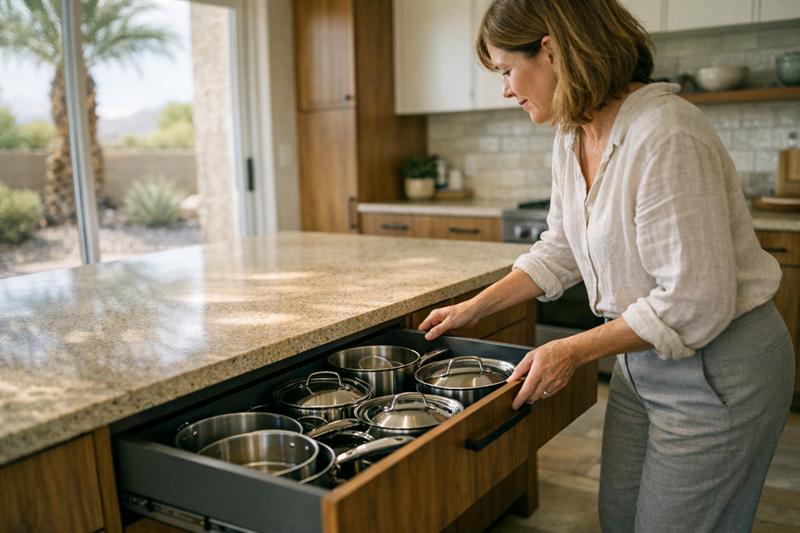
Hidden Storage and Clean Layouts
Lack of storage is one of the most common complaints after a remodel. It usually happens when cabinetry and storage solutions aren’t planned with daily use in mind.
Features like walk-in pantries, appliance garages, and built-in storage help keep surfaces clear and make the space easier to use.
Statement Islands with Purpose
Large islands are popular, but size alone doesn’t make them functional. If an island interrupts movement or crowds the kitchen, it can quickly become a problem.
A well-designed island supports prep work, seating, and storage without getting in the way.
Warm Materials Replacing All-White Designs
All-white kitchens can look clean and bright, but they also tend to show wear, smudges, and daily use more easily.
Warmer tones and mixed materials create a more balanced look and are often easier to live with over time.
For a deeper look at how layout decisions shape the entire project, see how to plan a home remodeling project step-by-step.
Bathroom Remodeling Trends Focused on Comfort and Efficiency
Bathrooms are becoming more comfortable and functional, but the details matter. Small design decisions can affect how the space performs every day.
Spa-Inspired Showers
Walk-in showers with minimal barriers and built-in seating are becoming more common. They can make the space feel more open and easier to use.
Without proper planning, issues like poor drainage or water spreading beyond the shower area can show up quickly. Layout and slope make a big difference here.
Water-Smart Fixtures
Water efficiency is becoming a bigger part of remodeling decisions, especially in desert climates. The goal is to reduce waste without sacrificing everyday performance.
Overlooking fixture selection can lead to higher utility use and a bathroom that feels less efficient than it could be.
Natural Textures and Lighting
Lighting and material choices shape how a bathroom feels. Harsh lighting and overly reflective finishes can make the space feel less comfortable.
Softer lighting and natural textures create a more balanced, usable environment.
If you’re deciding how extensive your project should be, this guide explains the difference: bathroom remodel vs renovation.
Indoor-Outdoor Living Is a Major Priority
In Las Vegas, outdoor space can play a major role in how a home is used. When it’s designed well, it becomes a practical extension of everyday living.
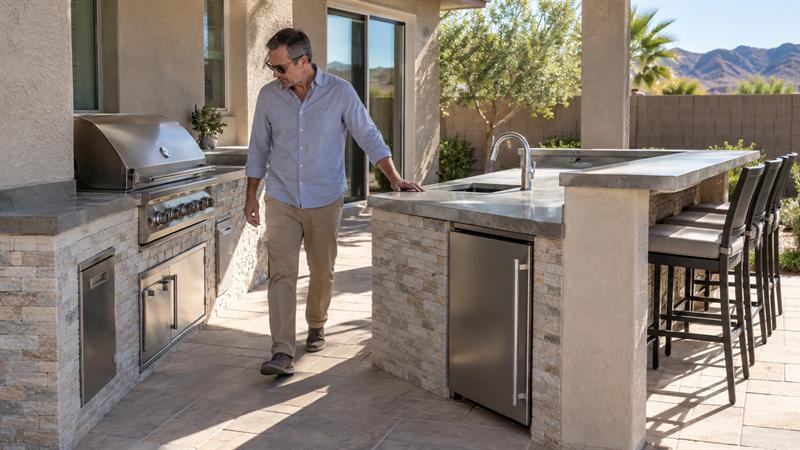
Outdoor Kitchens as Extensions of the Home
An outdoor kitchen can expand usable space and make entertaining easier. Material choices matter here.
If surfaces and appliances aren’t selected for heat and exposure, wear can show up quickly and shorten the life of the space.
Seamless Transitions and Covered Spaces
The connection between indoor and outdoor areas should feel natural. When it doesn’t, the outdoor space is less likely to get regular use.
Shade, airflow, and layout all help determine whether the space stays comfortable enough to use consistently.
Smart and Energy-Efficient Upgrades
Efficiency is becoming part of standard remodeling decisions, not just an extra feature.
Energy Use Awareness
Insulation, windows, and lighting all affect comfort. When these are overlooked, the home may feel less consistent in temperature and less efficient overall.
Smart Controls That Simplify Daily Life
Smart features work best when they reduce effort. Overly complicated systems often end up unused, which defeats the point of adding them in the first place.
Flexible Spaces and Casita Living
Homes are being asked to do more, and layouts need to keep up.
Multigenerational Needs
More households are creating space for extended family. Without thoughtful separation and planning, privacy can become a challenge.
Work-From-Home Adaptations
Trying to work from a space that wasn’t designed for it often leads to distractions and limited productivity.
Dedicated or flexible work areas help by giving the space a clearer purpose.
If any of the following sound familiar, it may be time to rethink your space:
- Your layout feels tight or difficult to move through
- You don’t have enough storage for daily use
- Rooms aren’t being used the way you expected
- Your home no longer supports your routine
These are usually signs that surface-level updates won’t solve the real issue. A functional remodel can help address the space more effectively.
Trends That Are Fading (And What to Do Instead)
Some trends lose appeal because they don’t support how people actually use their homes.
- All-white surfaces that need constant upkeep
- Decorative features that don’t serve a purpose
- Layouts that look open but don’t function well
Over time, these choices can become frustrating to live with. Replacing them with practical layouts and durable materials creates a space that holds up better.
How to Choose the Right Trends for Your Home and Budget
The goal isn’t to follow trends for their own sake. It’s to make decisions that fit how you live.
- Start with layout before choosing finishes
- Focus on how the space is used every day
- Invest more in high-use areas
- Adapt trends to fit your home instead of copying them directly
This is where many remodels lose direction. Without a clear plan, trends get layered in without enough thought, and the result can feel disconnected.
To help avoid that, review common home remodeling mistakes and how to avoid them.
Key Takeaways
- The best trends improve how your home functions, not just how it looks
- Layout and usability should come first
- Short-term design choices can lead to long-term frustration
- Climate and location should influence decisions
- Careful planning helps reduce costly mistakes
Conclusion
Many remodeling problems start with the wrong focus. When decisions are based only on appearance, the result can be a space that doesn’t work the way it should. That often leads to daily frustration and extra changes later.
A well-planned remodel addresses those issues by focusing on layout, durability, and real use. That’s what helps turn a remodel into a lasting improvement instead of a short-term upgrade.
Angel Touch Remodeling & Building Concepts works with homeowners to make those decisions early, before avoidable problems are built into the design. Whether it’s a kitchen, bathroom, or full home remodel, the focus stays on creating a space that works every day. If your home no longer supports how you live, the next step is to plan a remodel that fits your needs more intentionally.
Frequently Asked Questions About Home Remodeling Trends
What home remodeling trends add the most value?
Trends that improve layout, storage, and daily usability tend to offer the most lasting value. Kitchens and bathrooms are often a priority because they’re used so often, and improvements there usually have a noticeable impact on how the home functions.
Are open floor plans still popular?
Open layouts are still common, but many homeowners now prefer more defined zones within the space. That helps with privacy and noise control while keeping the home connected.
What are the most popular kitchen remodeling trends right now?
Hidden storage, functional islands, and warmer material choices are all popular. These features support daily use while improving the overall feel of the space.
How do I choose the right remodeling trends for my home?
Start with how you use your space, not just how it looks. A clear layout plan helps guide the rest of the decisions and reduces the chance of costly changes later.
Are outdoor kitchens worth it in warm climates?
Outdoor kitchens can be a strong addition when they’re designed for heat, exposure, and regular use. The right materials and layout make a big difference in how well the space holds up over time.
What remodeling trends should be avoided?
Trends that focus only on appearance or require high maintenance tend to lose appeal faster. Practical, durable choices usually create a space that stays useful and attractive longer.